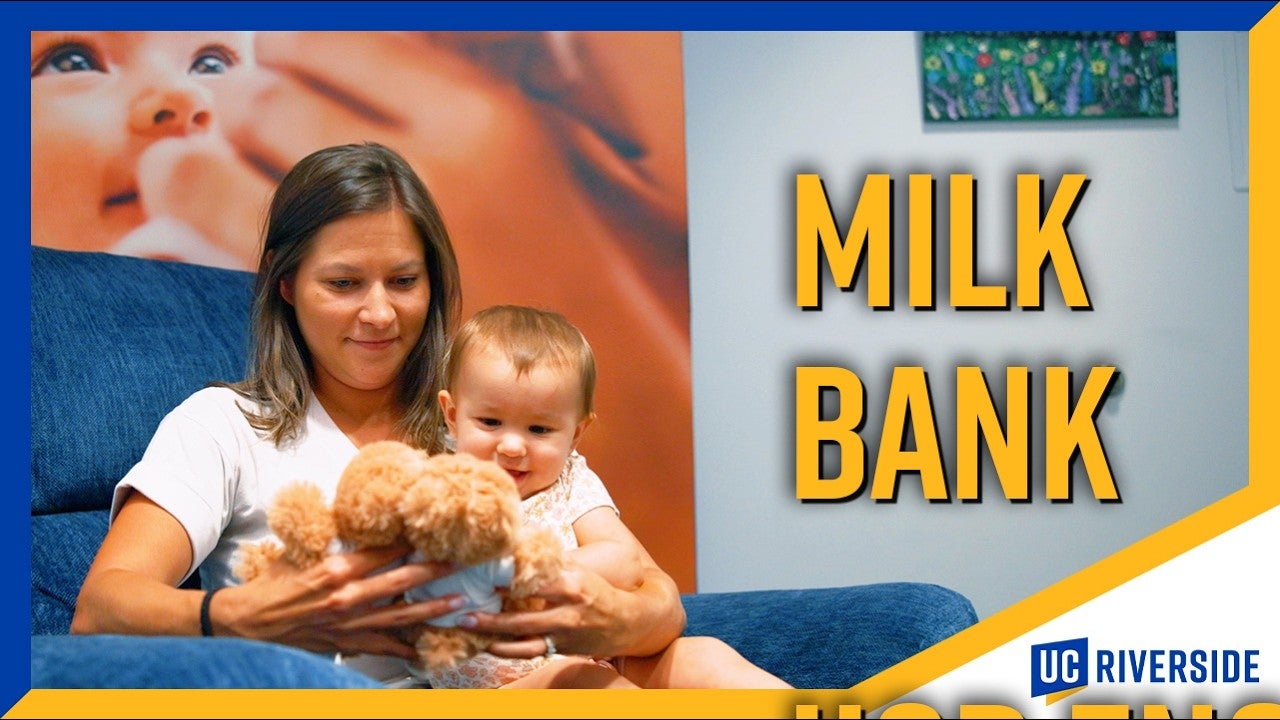

Observed each August, Breastfeeding Awareness Month provides an opportunity to recognize the impact breastfeeding can have on the health and well-being of infants and mothers. In this Q&A, Dr. Brenda Ross-Shelton, a board-certified maternal-fetal medicine specialist at UC Riverside Health, discusses breastfeeding research, common concerns among parents, and the importance of support and guidance throughout the breastfeeding journey.
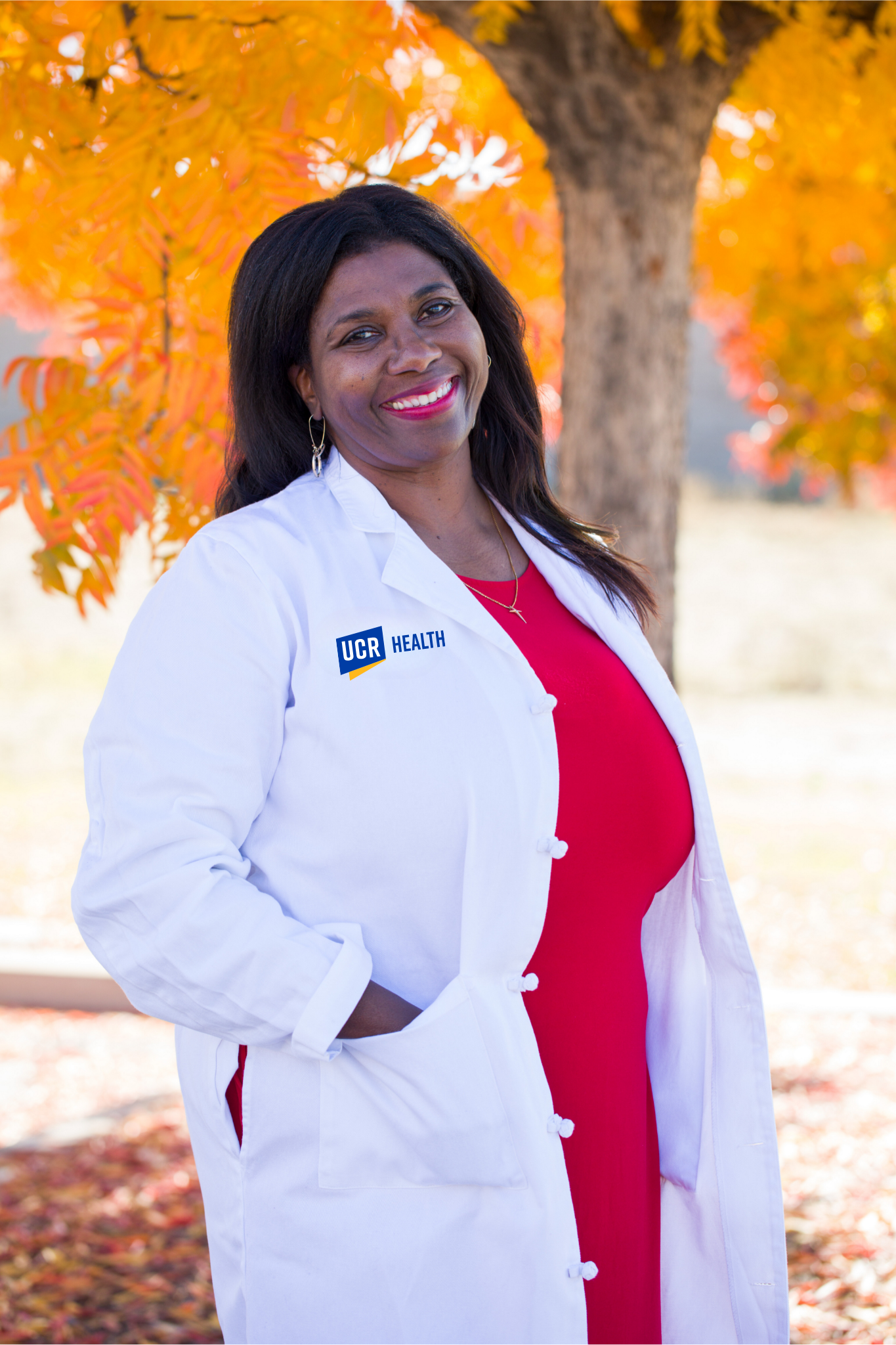
Ross-Shelton completed her medical training at Howard University, with fellowships in maternal-fetal medicine and medical genetics at Cedars-Sinai/Harbor–UCLA and Johns Hopkins University. Before joining UCR Health, she served on the faculty at Johns Hopkins and practiced as a perinatologist in Southern California.
Dedicated to patient-centered care, Ross-Shelton helps expectant parents understand their diagnoses and treatment options while advancing maternal and infant health through initiatives that expand access to breastfeeding resources and specialized prenatal care.
Q: Why is breastfeeding considered one of the most important investments in a baby’s health, and what are some of the key benefits for mothers as well?
Breastfeeding provides babies with ideal nutrition while supporting immune health, brain development, and protection against certain illnesses. For premature babies or those with medical challenges, human milk can be especially important in reducing the risk of serious complications.
The benefits extend to mothers as well, with research linking breastfeeding to lower risks of breast and ovarian cancer, type 2 diabetes, high blood pressure, and heart disease. While breastfeeding research is often observational, the evidence shows important associations between breastfeeding and improved health outcomes.
Every family’s circumstances are different, and parents should have access to accurate information and compassionate support to make the feeding decisions that are right for them and their baby.
Q: Many parents worry they won’t be able to breastfeed successfully. What are common challenges, and what advice do you have?
Breastfeeding challenges are common, especially in the first few weeks, and do not mean parents are doing something wrong. Concerns about milk supply are among the most frequent. Newborn behaviors such as frequent feeding, cluster feeding, and fussiness are often normal and do not necessarily indicate a supply issue.
Pain, however, should not be ignored. Persistent pain, cracked nipples, or bleeding may signal problems with latch or positioning that can often be addressed with support from a lactation consultant or healthcare provider.
Preparing before birth, learning what to expect, and identifying support resources early can help families feel more confident. Asking for help is an important part of the breastfeeding journey.
Q: Why is breastfeeding especially important after a high-risk pregnancy?
For premature infants and babies with medical challenges, human milk provides important protection against infections and complications, including necrotizing enterocolitis, a serious intestinal condition. When a mother’s milk is not immediately available, donor milk may be used until milk production is established.
High-risk pregnancies, including those involving preeclampsia, gestational diabetes, cesarean delivery, or NICU care, can create additional challenges. Discussing feeding plans before delivery can help families understand options such as pumping, milk expression, and donor milk. These families often need a team approach involving lactation consultants, NICU nurses, maternal-fetal medicine specialists, pediatricians, and other providers.
Q: What breastfeeding myths do you most often help patients understand?
One common misconception is that frequent feeding or fussiness means a baby is not getting enough milk. We look instead at factors such as weight gain, wet diapers, and feeding patterns.
Another myth is that colostrum — the first milk produced after birth — is insufficient. In fact, it is rich in nutrients and antibodies and is designed to meet a newborn’s early needs.
Many parents also worry that medications or diet choices prevent breastfeeding. In most cases, common medications are compatible with breastfeeding, and parents should consult healthcare professionals for accurate guidance. A perfect diet is not required to produce healthy breast milk.
Perhaps the biggest misconception is that breastfeeding should come easily. Like any new skill, it takes time and support for both parent and baby to learn.
Q: What message would you like to share with new and expectant parents during Breastfeeding Awareness Month?
Breastfeeding is a journey, not a pass-or-fail test. Every family’s experience is different, and success looks different for everyone. Some parents breastfeed exclusively, while others combine breastfeeding with formula or donor milk.
Parents should know what is normal, seek help when they need it, and remember that support can make a significant difference. Preparing during pregnancy, involving support people, and connecting with healthcare providers or lactation specialists can help families navigate challenges.
Most important, breastfeeding is not a measure of a parent’s love or success. The goal is a healthy baby, a healthy parent, and a family that feels supported.
More information on the topic.