
A $1.25 million grant to UC Riverside from the California Department of Health Care Services (DHCS) will support a statewide evaluation of California’s traditional health care practices (THCP) benefit.
The THCP is a Medicaid initiative that allows Indigenous healing practices provided through Indian health clinics to be reimbursed through Medi-Cal, California’s Medicaid program.
California was prompted to create the initiative to combat disproportionately high opioid overdose and substance use death rates among Native American communities.
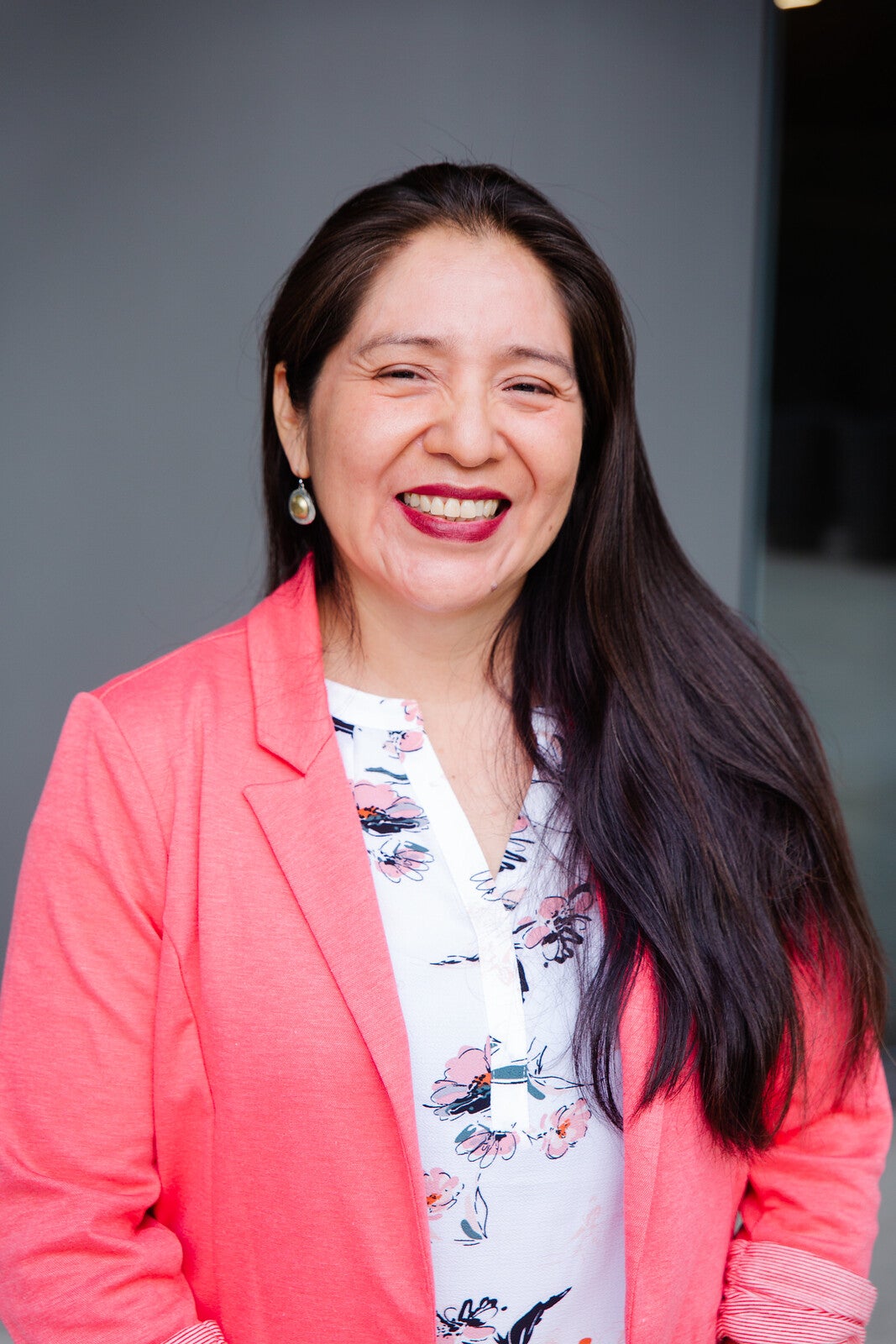
The project, which is transitioning to UC Riverside from the University of Southern California (USC), will be led by Claradina Soto (Navajo and Jemez Pueblo), an associate professor of social medicine, population, and public health in the UCR School of Medicine, who came to UCR from USC earlier this year. The initiative brings together tribal leaders, clinicians, health organizations, and state partners to evaluate and collect data on the THCP benefit, including implementation processes, barriers and facilitators, service delivery, and participant experiences.
The Centers for Medicare & Medicaid Services, a federal agency within the U.S. Department of Health and Human Services that administers the Medicare program, approved DHCS to cover traditional health care practices for Medi-Cal members in Drug Medi-Cal Organized Delivery System counties through an amendment to California’s Section 1115 waiver that added coverage for THCP.
California’s Section 1115 waiver is a special federal agreement that lets the state test new, flexible ways to run its Medi-Cal program, coordinate physical and behavioral health, and fund unique care initiatives.
California is among a small number of states that allow traditional healing services to be reimbursed through Medicaid, positioning the initiative as a nationally significant model for integrating Indigenous healing practices into health care.
“This has been more than 10 years in the making, so it’s a major milestone,” Soto said. “It creates an important opportunity to evaluate how these services are implemented and their impact on communities.”
Traditional healing services covered under the benefit include culturally grounded practices such as ceremonies, one-on-one support, talking circles, prayer, and other healing approaches that complement clinical care, including treatment and recovery services for people with substance use disorders. Before the benefit was established, many clinics relied on grants or other temporary funding sources to offer these services.
As principal investigator, Soto will oversee a statewide evaluation that includes interviews with clinic providers and traditional healers, focus groups with community members, and surveys of patients receiving traditional healing services. An advisory board of tribal representatives, clinicians, and tribal and urban Indian organizations will help guide the project.
“The project represents a significant opportunity to contribute to national conversations about Indigenous health care and culturally grounded approaches to wellness,” Soto said. “By partnering with tribal communities, health care providers, and the DHCS, we hope to identify best practices that strengthen access to traditional healing and improve care for Native communities.”
Soto said the evaluation will generate evidence on how the THCP benefit is implemented across diverse communities and health care settings.
“This will help inform future policy decisions in California while providing insights for other states interested in integrating Indigenous healing practices into their health care systems,” she said.
Header photo by Markus Winkler on Unsplash.