
When the U.S. Supreme Court ruled 5-4 this week that states may continue counting mail ballots that are postmarked by Election Day but arrive afterward, the decision resolved a dispute over the meaning of federal election law. It also renewed debate over a different question: How can election officials maintain public confidence when election results aren't known on election night?
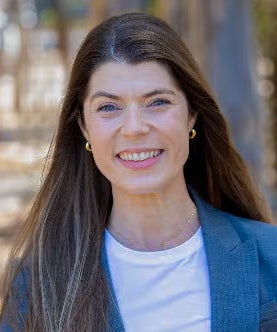
Associate Justice Samuel Alito, writing in dissent, cited a 2024 study co-authored by UC Riverside assistant professor Jennifer Gaudette showing that delayed election results reduce public trust. But that wasn't the study's only finding. Gaudette and her colleagues also found that election officials can largely offset that loss of confidence by explaining why vote counting sometimes takes longer and why accurate results take time. Their research suggests that preparing voters for delays before Election Day can make them far less likely to distrust the outcome.
In this Q&A, Gaudette, a member of the School of Public Policy faculty, discusses what the Supreme Court's decision means, why delayed vote counts can undermine confidence, how bad actors exploit periods of uncertainty to spread conspiracy theories, and what election officials—including those in California—can do to strengthen public trust.
Question: What did the Supreme Court decide, and what does the ruling mean?
Gaudette: The Supreme Court decided a fairly narrow legal question—whether federal election law overrides state laws that allow states to count ballots that are mailed by Election Day but arrive afterward. The majority concluded that it does not. My research is not about the legal interpretation of the laws in the case. Instead, it looks at what delayed election results do to public confidence and what election officials can do if delays are unavoidable.
Q: Justice Alito cited your research in his dissent. Did he accurately describe your findings?
Gaudette: He accurately cited one important finding: delayed election results decrease trust in those results. But our paper also found something equally important: explaining ahead of time why delays occur substantially reduces that loss of trust. The takeaway isn't simply that delays hurt confidence. It's that election officials can reduce that harm through proactive communication to voters that explains how elections and ballot counting work.
Q: Why do delayed election results make people less trusting?
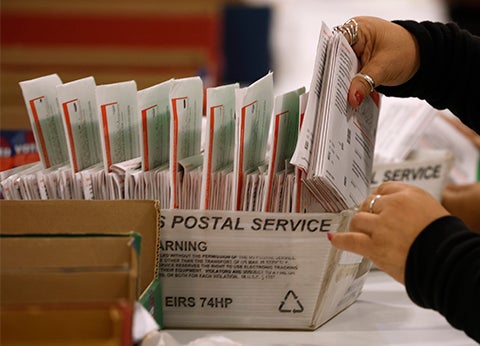
Gaudette: One finding that may surprise some is that the mere fact of a delay in reporting the result of an election reduces trust. In our experiment, people didn't have to be exposed to conspiracy theories or misinformation. Simply learning that election results were delayed caused their trust in the integrity of elections to decline by about 6 percentage points.
In the real world, that gap can grow a lot larger because reporting delays also create a window that bad actors can exploit. When counting stretches on, it creates an opportunity for people who want to undermine election results they don't like to introduce conspiracy theories or false claims about fraud. That's another reason states should do everything they reasonably can to reduce unnecessary delays.
Q: Your study found that a simple explanation before Election Day can make a difference. Why?
Gaudette: In multiple survey experiments, we have repeatedly found that the simple act of explaining how elections are kept secure produces significant increases in election trust. This experiment was no different. Here, we found that when voters were given a brief explanation about how ballots are counted and why legitimate delays sometimes occur, much of the distrust caused by learning of delayed results disappeared. Preparing people for what they may see turns an unexpected delay into an expected part of the election process. That's why communication before Election Day is so important.
Q: What do you recommend election officials do?
Gaudette: I recommend two things. First, work to minimize delays whenever possible. Delays reduce trust, and they also create opportunities for bad actors to spread conspiracy theories and undermine confidence in election results.
Second, if delays are unavoidable, invest heavily in voter education. Election officials should communicate before and during the election across a variety of platforms—including social media, where misinformation often spreads—to explain how vote counting works, why delays can occur, and why taking the time to ensure the validity of every counted ballot accurately strengthens election integrity rather than weakens it.
Q: What would you recommend specifically for California, where delays in election results are notorious?
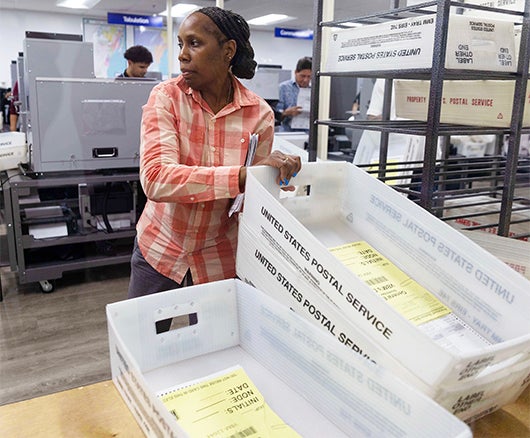
Gaudette: California is different from Mississippi because it has much more widespread voting by mail. That means the state's policies can produce much longer delays in reporting final results.
If California chooses to keep those policies as they are, I think it should invest much more in reducing counting delays where possible and in educating voters. That means explaining before the election why delays occur, encouraging voters to return mail ballots earlier, and communicating clearly throughout the counting process.
The evidence is clear that delays reduce trust. If a state knows delays are likely, then it should do something to offset that effect, either by shortening the delays or by investing in voter education—or ideally both.
Q: What's the larger lesson from your research?
Gaudette: Trust in elections depends not only on counting every valid ballot accurately, but also on helping voters understand how that process works. Delays don't have to become a crisis of confidence. Election officials should explain what to expect before Election Day and communicate consistently throughout the counting process. The key is to communicate the process and provide information rather than just assuring voters that elections are secure. If election officials do this, they can significantly reduce distrust and make it much harder for misinformation to take hold.