OFFICE HOURS
From Abstract to Accessible
Stephanie Dingwall believes teaching complex science is a conversation, not a performance
By Iqbal Pittalwala | Photos by Stan Lim
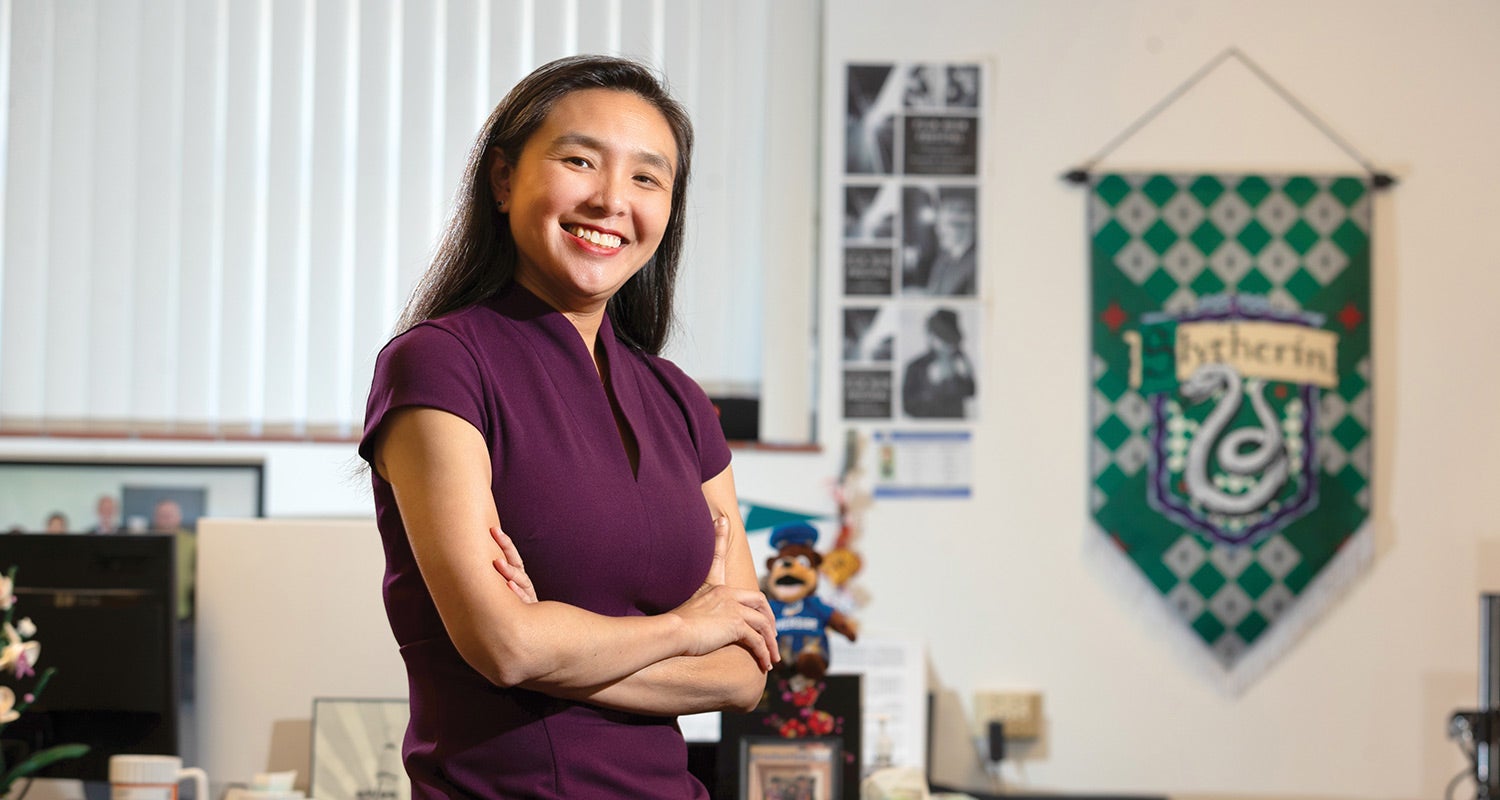
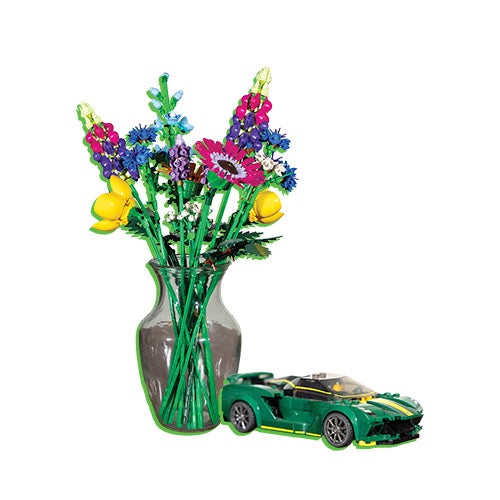
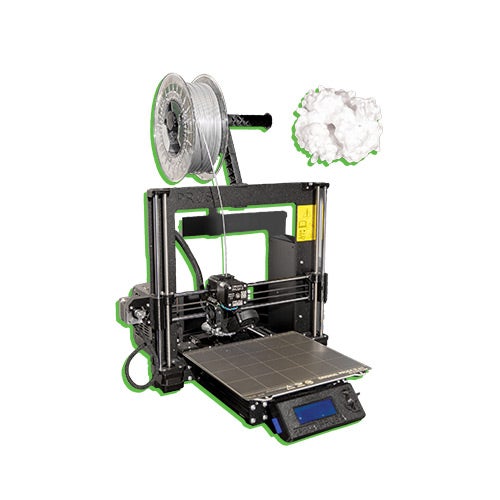
E ntering Stephanie Dingwall’s office feels like stepping into a miniature museum. The shelves and desk are dotted with objects that tell stories — metal molecular models, intricate Lego structures, and mementos from students. Each item is a memory, a teaching tool, or a conversation starter, reflecting Dingwall’s deep connection to her students and the classes she teaches. It’s a space that invites curiosity and signals that learning here isn’t just academic — it’s personal and hands-on.
Dingwall’s path to becoming a professor of teaching at UC Riverside is one of persistence, mentorship, and a passion for student-centered education. Born and raised in Claremont, California, she is the daughter of immigrants from Hong Kong and Taiwan. As the eldest grandchild, she grew up with the high expectations often placed on first-generation children.
“I initially followed a traditional path — majored in neuroscience, minored in French at UCLA, and planned to attend medical school,” she said. “But a biochemistry professor gently suggested that perhaps medicine wasn’t my true calling. That moment began my path of self-discovery.”
After graduation, Dingwall taught MCAT prep courses and discovered her real passion was in education. Six years on, while tutoring at a community college, a professor there urged her to pursue a master’s degree. So, in 2007, she enrolled in UCR’s biochemistry and molecular biology program, intending to teach at the community college level. Faculty at UCR, however, saw more. They encouraged her to consider a doctoral degree, an idea she initially resisted, unsure of her place in research.
After earning her master’s degree, Dingwall spent four formative years teaching biology, chemistry, and microbiology at Citrus College in Glendora, California. Her passion for teaching solidified, and when doctoral credentials became necessary for advancement, she returned to UCR in 2011 to pursue a doctorate, this time embracing the academic life.
“I joined the lab of Professor Russ Hille, a mentor who respected my goal to become an educator, not a lab researcher,” Dingwall said. “Under his guidance, however, I began to appreciate the beauty of research.”
Dingwall’s research in physical biochemistry focused on proteins produced by bacteria called metalloenzymes, specifically one that breaks down atmospheric carbon monoxide into less harmful carbon dioxide.
“I never expected to use traditionally challenging subjects such as organic chemistry, physics, and calculus in my research,” she said. “I loved it.”
Dingwall defended her dissertation on her son’s first birthday in 2016, the same year she became UCR’s first professor of teaching in the life sciences. When she received the news she would become faculty, she called the same UCLA biochemistry professor, by then a close friend, to let them know they were right to encourage her to explore a career path outside of medicine.
As a member of UCR’s teaching faculty, Dingwall focuses on instruction and educational innovation. She teaches high-enrollment courses like Biochemistry 100 and has guided thousands of students across biology, neuroscience, microbiology, and pre-health tracks. Her mission: make complex science understandable. Among her most lasting contributions are hand-drawn active learning templates that help students visualize biological pathways — tools other UCR instructors have incorporated into their classes and that many of her students use in medical and pharmacy school.
Dingwall’s teaching excellence has been widely recognized. In 2019, she received UCR’s Junior Excellence in Teaching Award and was later named a Distinguished Teaching Fellow for her innovation and impact.
In 2024, she stepped into a new leadership role as divisional dean of student academic affairs in the College of Natural and Agricultural Sciences, overseeing academic advising for thousands of undergraduate and graduate students. From guiding undeclared majors to reviewing petitions, she focuses on holistic student support.
Today, Dingwall is also a scholar of how active learning improves comprehension and retention. When teaching metabolism, for example, she might use an Oreo cookie to explain digestion and biochemical pathways — relatable teaching that sticks with students long after they graduate.
Her student-centered philosophy extends beyond the classroom. Dingwall’s office overflows with student-made mugs, quirky signs, and handwritten notes. She holds office hours outdoors and even uses sidewalk chalk to explain concepts and make science tangible and welcoming.
Dingwall still lives in Claremont with her husband, a science teacher at her former high school, and their son, now in the same school district. The full-circle moment, from student to educator, is not lost on her.
“My journey is a testament to the power of mentorship, the importance of listening to your own voice, and the profound impact teaching can have not just on students, but on the educator, too,” she said.
At the heart of her philosophy is a simple belief: Teaching isn’t a performance.
“It’s a conversation,” Dingwall said. “I’ve been having that conversation, one student at a time, for decades.”