
Heart disease remains the leading cause of death in the United States. February is American Heart Month, established in 1964 by President Lyndon B. Johnson to encourage Americans to prioritize and protect their heart health.
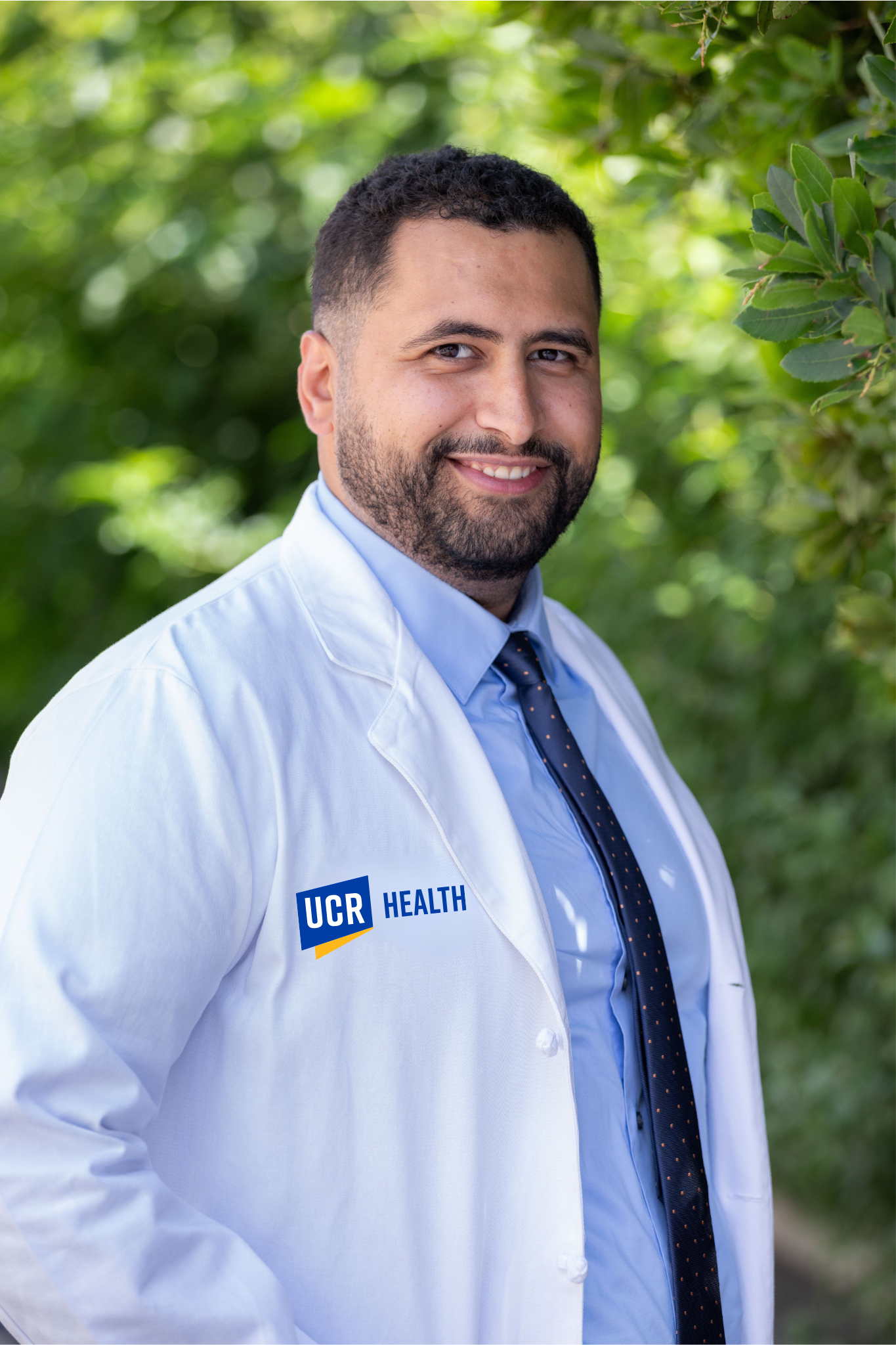
In the Q&A below, Dr. Ramy Sadek, a board-certified cardiologist with UCR Health, discusses key heart health facts, including often-overlooked risk factors, the importance of prevention, and what patients can expect during an initial cardiology appointment.
Sadek specializes in cardiovascular medicine with a focus on preventive cardiology, advanced cardiac imaging, and medical education. Originally from Egypt, he earned his medical degree from Oregon Health & Science University, completed his internal medicine residency at UCLA-Olive View, and finished his cardiology fellowship at the Southwest Healthcare Medical Education Consortium.
He is board certified in cardiovascular disease, internal medicine, echocardiography, nuclear cardiology, and cardiac computed tomography. In addition to clinical care, he is involved in graduate medical education and emphasizes a patient-centered approach rooted in listening, clear communication, and shared decision-making. He also holds faculty roles with the UC Riverside School of Medicine.
Q: February is American Heart Month. Why does this observance matter, and why is heart disease still the leading cause of death in the U.S.?
American Health Month matters because it reminds us that despite all medical advances, heart disease is the still the most common cause of death in the United States. We use this time to talk about how we can prevent and improve care for cardiovascular diseases; specifically, lifestyle changes, appropriate screening, and controlling risk factors like high blood pressure, diabetes, and high cholesterol.
Q: What heart disease risk factor do people most often underestimate or ignore?
High blood pressure is the most common risk factor in people who develop cardiovascular diseases. Almost half the population of the United States have high blood pressure. Hypertension usually does not cause any symptoms until damage is already happening.
Q: Blood pressure numbers can be confusing. What’s a simple way for people to understand them?
Blood pressure is like the pressure in pipes that are connected to a pump; the pipes are the blood vessels, and the pump is the heart. The top number is the pressure when the heart squeezes. The bottom number is the pressure when the heart relaxes. A normal blood pressure is around 120/80. Higher blood pressure usually indicates stiffness of the blood vessels requiring the heart to work harder to push blood.
Q: Are heart attack warning signs different for women compared to men?
Yes, women can have different warning signs than the typical crushing chest pain. They are more likely to have symptoms of shortness of breath, nausea, back of jaw pain, or just feeling unwell.
Q: When should someone talk with a clinician or see a cardiologist—even if they feel fine?
Talk to your doctor if you have risk factors for heart disease, such as family history, high blood pressure, diabetes, or high cholesterol. As Ben Franklin said, "An ounce of prevention is worth a pound of cure.”
Q: What can new patients expect at a first visit with you, and what should they bring?
At our first visit, expect a detailed conversation about your personal goals, your symptoms, reviewing any prior testing, and making a personalized testing and treatment plan for you to keep you healthy.
Header image credit: cagkansayin/iStock/Getty Images Plus.