A new UCR ARTS exhibition showcases nearly four decades of work from late photographer Douglas McCulloh.
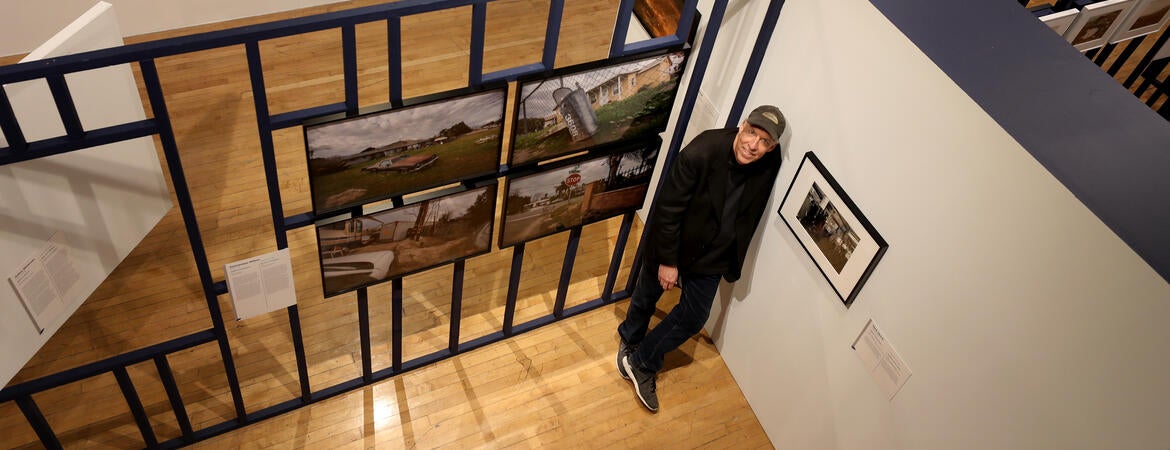
“Dispatches: The Photography of Douglas McCulloh, 1990-2025” opened on September 12 at UCR ARTS’ California Museum of Photography, or CMP, and will be on view until December 20. The exhibition brings together all his major projects, from early experiments to works that were still in progress.
A reception, free and open to the public, will be held on October 10, from 6 to 8 p.m.
McCulloh, who died in 2025, formally joined the CMP in 2018 as a senior curator before being named UCR ARTS’ interim executive director in 2023. Prior to joining UCR ARTS, he was a longtime collaborator with the museum, serving as a guest curator for multiple exhibitions.
His first exhibition as senior curator was “In the Sunshine of Neglect,” an exploration of the Inland Empire’s geography from the 1950s to present day. The collection featured 194 photographs from 54 photographers.
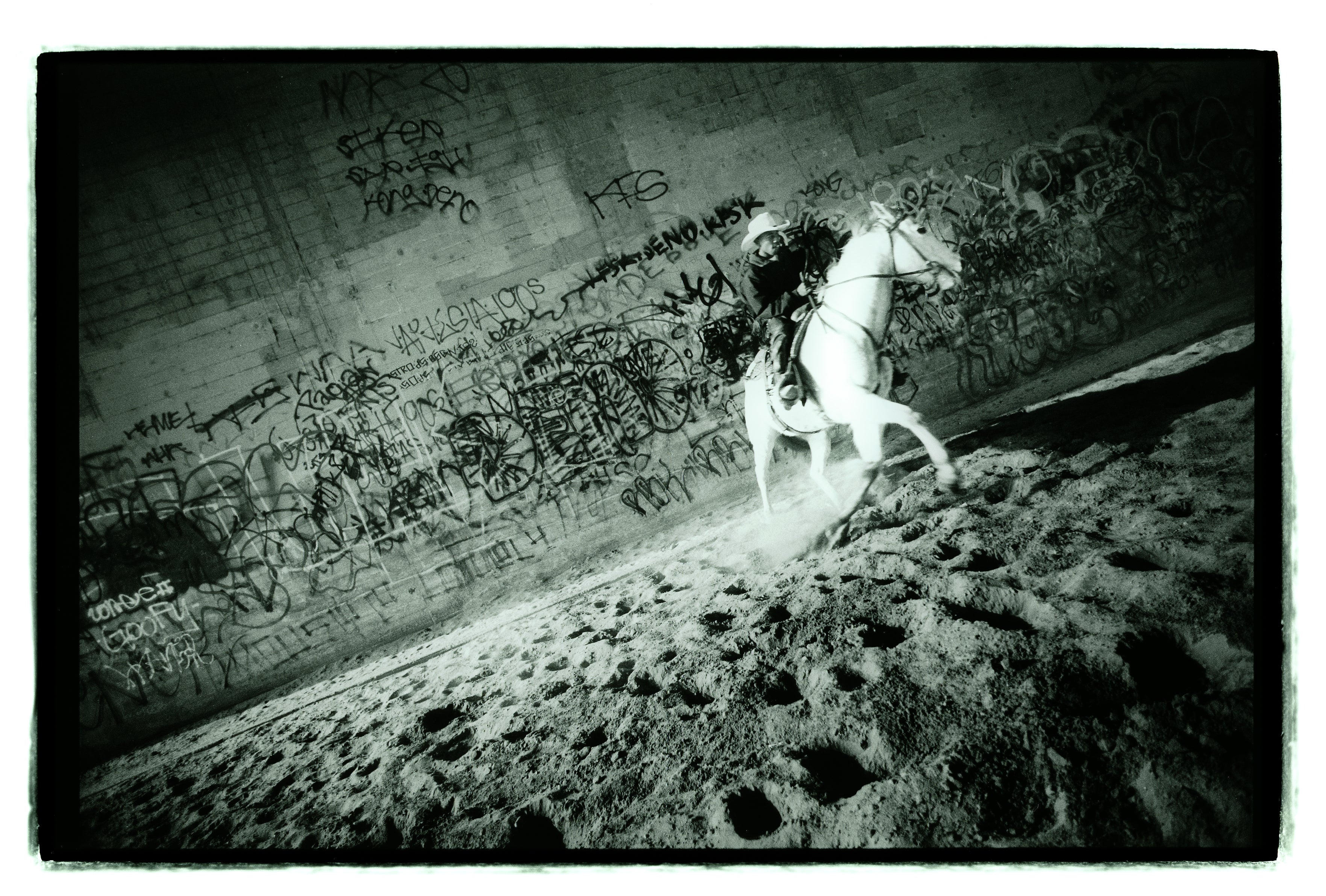
Throughout his career as a photographer, McCulloh focused his lens on Southern California. Inspired by Surrealist and Dadaist traditions, he implemented systems and rules driven by chance operations into his art. He also drew inspiration from street photographers, using rapid-fire, high-volume photography as a main characteristic of his work. Harnessing chance as a creative tool resulted in images similar to “dispatches” sent back from the field.
“A system of chance seems really rigid, but the goal in that system is actually freedom — freedom from your own preconceptions, freedom from you controlling things. You place yourself at the mercy of chance, and you commit to it. So, the system is structured, but the point of the system is freedom,” McCulloh said in a 2019 UCR News profile.
In the 1999 exhibition “Chance Encounters,” McCulloh gridded a map of urban Los Angeles County into 5,151 quarter-mile squares and randomly selected a quarter-mile section each day. The project took seven years to complete, generating a collection of 23,000 photos taken across 22,000 miles driven.
One of McCulloh’s most notable projects was “The Great Picture,” made with five other artists. Together, they transformed an abandoned Southern California F-18 jet hangar into the world’s largest camera to create the world’s largest print photograph, measuring more than 31 feet high and 111 feet wide.
“American Cross,” one of the last projects McCulloh was working on, included drawing two lines across a map to create a large X across the United States and taking photographs along those lines. At the time of his death, he had completed more than 5,352 miles of the route, about 400 miles short of its completion.
Dawn Hassett, McCulloh’s wife and co-curator, remembers how he used an inquisitive and experimental approach to his curations at the CMP.
“As a leader at the institution, he championed a laboratory approach that encouraged looking at photography from new perspectives and always challenging the status quo,” Hassett said.
A series of related programs will accompany the exhibition through December.
Header image by Stan Lim/UCR