
UC Riverside’s Center for Community Solutions will survey 1,000 adults in Riverside and San Bernardino counties to inform strategies to improve life in the Inland Empire, thanks to a grant from the IEHP Foundation, an Inland Empire health advocacy nonprofit.
Residents will be asked about their experiences with nutrition, housing, health care, transportation, employment, education, access to recreation, the environment, and other factors that shape their well-being.
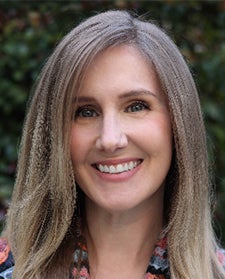
“We designed a survey to examine the full gamut of people’s experiences—from transportation reliability and social connection to screen time and job quality—and how they fit together and relate to health and well-being. We want to understand the challenges residents face, the strengths in their lives and communities, and where community efforts and public policy could make a difference,” said Justine Ross, the center’s executive director and the project’s lead researcher.
The goal is to look beyond regional averages and understand why people living in the same area can experience substantially different opportunities and challenges.
“Two residents can live in the same region and have very, very different opportunities to thrive,” Ross said.
The survey will examine those differences alongside publicly available statistics. The resulting analyses are expected to help local governments, community organizations, educators, and other regional partners identify needs and better focus policies and resources.
The IEHP Foundation is an Inland Empire nonprofit that helps connect community members with services and resources that lay the foundation for good health. Its $128,442 grant to the UCR center supports a broader research effort tied to the foundation’s regional health and well-being initiative, called Live Well IE.
“Live Well IE is a regionwide effort aimed at empowering every resident and community leader to help create the conditions that make healthy living possible for all,” said Greg Bradbard, CEO of the IEHP Foundation. “Through a shared vision for a healthier IE and by convening and equipping local leaders with data, training, and resources, we aim to create healthier homes, organizations and communities.”
The initial survey is expected to be completed in February. But it is only the beginning of research from the School of Public Policy center that is expected to become a multiyear effort to collect data and track changes in the region’s living conditions, Ross said.
“Phase two is a longer-term effort with annual surveys, community focus groups, and ongoing analysis of publicly available data,” Ross said. “We’d also develop measures that bring together different indicators to track the strength of conditions that support residents’ health, quality of life, and opportunity.
Together, these tools would over time help us understand where we’re making progress as a region and where challenges persist.”
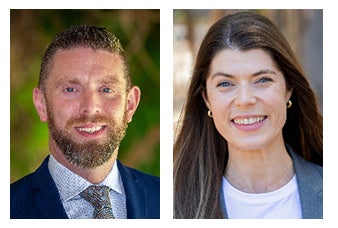
Ross will work with public policy faculty members Andrew Crosby and Jennifer Gaudette, who will be co-researchers. Other faculty members will contribute expertise in fields including population health, economics, geography, and public policy.
The survey will contain approximately 50 to 60 questions organized around seven “vital conditions” — a framework describing the circumstances people need to live healthy, fulfilling lives.
Those conditions include basic needs for health and safety, lifelong learning, meaningful work and wealth, humane housing, reliable transportation, belonging and civic participation, and a thriving natural environment.
For residents, those broad categories translate into everyday concerns about whether housing is affordable, transportation is dependable, jobs provide stability, and people feel connected to their communities.
The research will also examine health and selected risk factors, with attention to heart disease, respiratory conditions, diabetes, and mental health.
UCR will work with the research center NORC at the University of Chicago to administer the survey. Approximately half the participants will come from its probability-based survey panel and half from an online sample.
The current grant funds the initial phase. A potential second phase would expand the effort through annual surveys, community focus groups, and measures that track each vital condition over time.
The aim is to give Inland Empire residents and regional leaders a consistent way to understand living conditions, identify groups facing overlapping challenges, and assess whether efforts to improve daily life are making a difference.