
Expose an animal to extreme physical stress, and the expectation is simple: It will break down.
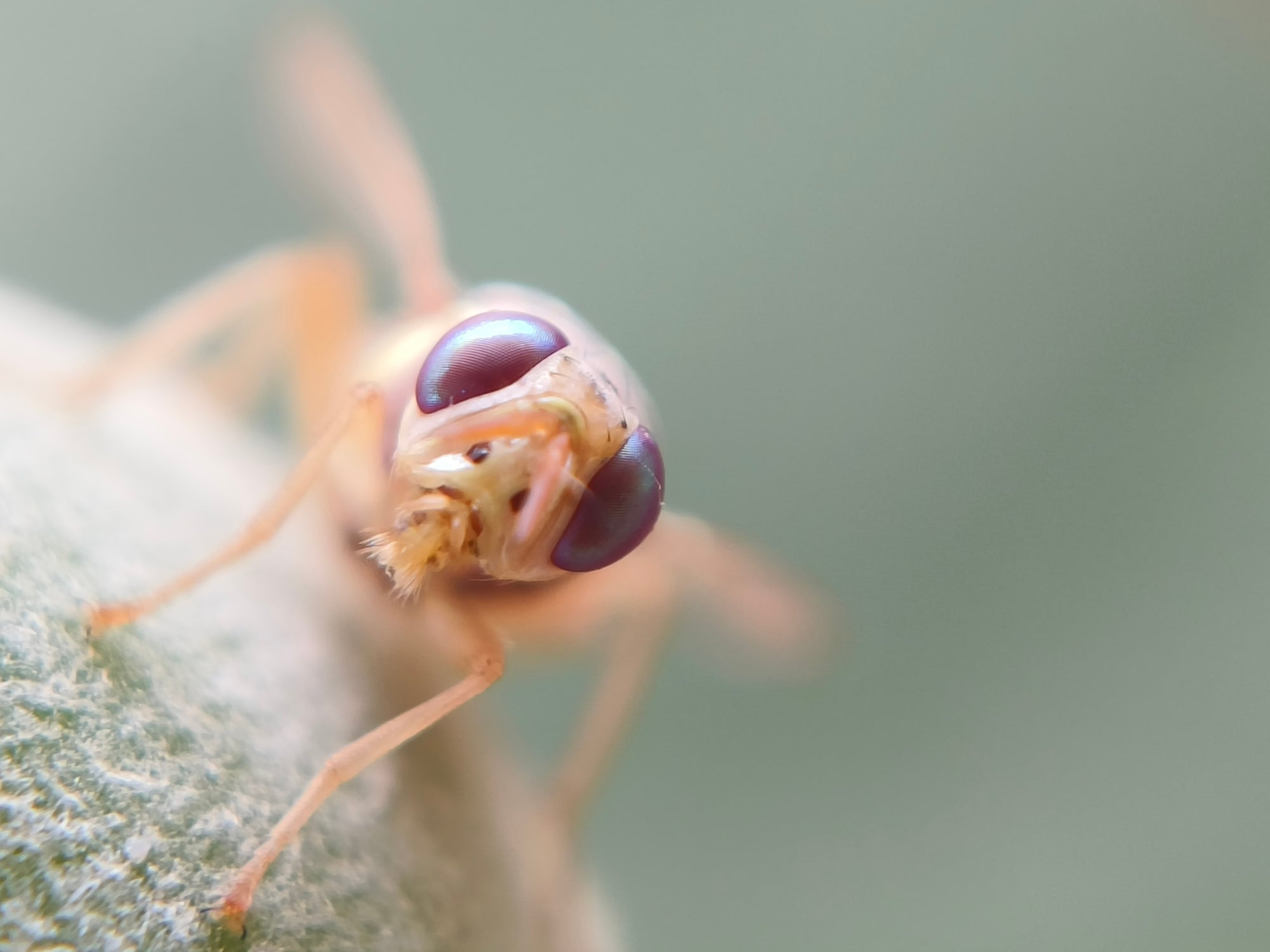
But when UC Riverside scientists subjected fruit flies to forces many times stronger than Earth’s gravity — a condition called hypergravity — the insects did something unexpected. They survived. They even mated and reproduced. Their movements and behaviors changed dramatically and then, over time, they recovered.
These findings, detailed in a new paper published in the Journal of Experimental Biology, point to a surprising resilience in how the body responds to high gravitational environments like those experienced by fighter pilots or by astronauts upon reentry to Earth’s atmosphere.
Even after more than six decades of human spaceflight, gaps persist in scientists’ understanding of the effects of high-gravity environments on the body. By spinning flies in a centrifuge to simulate hypergravity, researchers uncovered not just effects on the flies’ movement, but an ability to adapt and recover that may extend across species.
The study began with a basic question: “How does gravity shape movement?” said UCR neuroscience doctoral student and paper first author Sushmita Arumugam Amogh.
While most research has focused on microgravity, the near-weightless conditions astronauts experience in space, this work looks in the opposite direction, toward extreme gravitational force. Understanding both weightlessness and hypergravity could help uncover fundamental mechanisms by which gravity affects biology, especially movement and energy use.
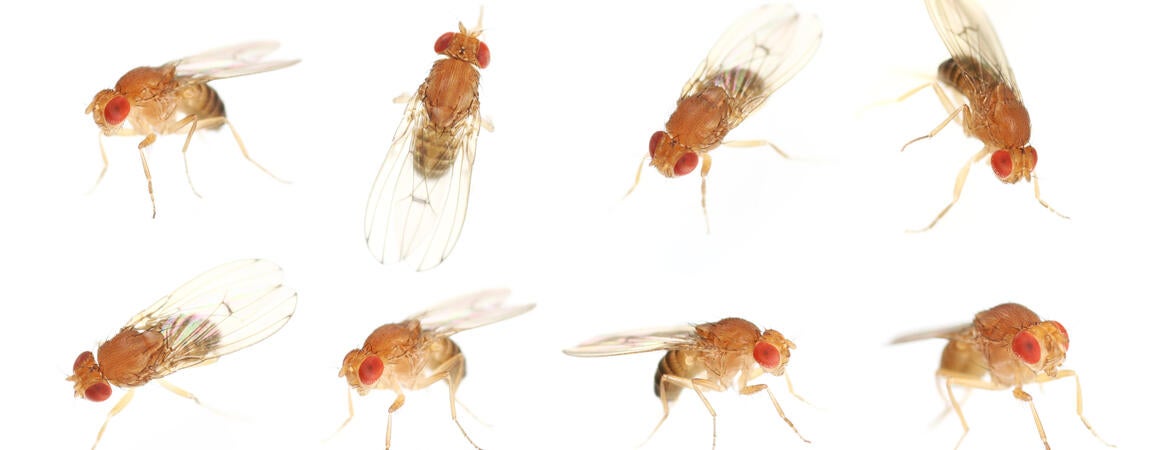
To look at the effects of hypergravity, the researchers turned to common, commercially available fruit flies. The insects were placed in a custom-built centrifuge, a spinning device that simulates increased gravitational force.
“The centrifuge is like a merry-go-round,” Arumugam Amogh said. “The faster you go, the more you feel pulled outward. That’s hypergravity.”
To track movement changes following exposure to this force, the team continuously monitored the flies’ activity using infrared sensors, recording each time a fly crossed a beam inside a narrow tube. The researchers also tested climbing behavior, known as negative geotaxis, which is the natural tendency of fruit flies to move upward against gravity.
At first, the results seemed counterintuitive.
“When flies experienced four times Earth’s gravity, or 4G, for 24 hours, they became hyperactive,” said Ysabel Giraldo, UCR assistant professor of entomology and paper co-author. “But at higher levels of 7G, 10G, and 13G, the pattern reversed: Instead of becoming hyperactive, the flies became less active, and they didn’t climb as much.”
Next, the researchers wanted to test how long hypergravity exposure would continue to affect the flies’ movements. This time, they exposed flies for 24 hours and then monitored their behavior throughout the rest of their lifespans.
In the 4G group, flies were hyperactive for about seven weeks, a majority of their lifespan, but then gradually returned to normal. At 7G, flies became less active, but they too eventually returned to normal levels of activity. Though the effects on behavior were different, resilience was evident in both groups.
These findings suggest the brain may be making energy trade-offs. Moderate increases in gravity appear to push the animals to move more, perhaps to meet higher energy demands. Under more extreme gravitational forces, the cost of moving becomes too high, and the system shifts toward conserving energy instead.
“We believe what we’re seeing is that gravity feeds directly into the brain’s decision-making around energy use and movement,” Arumugam Amogh said. “It helps determine whether to act or conserve energy.”
Consistent with this, there were dynamic responses inside the body as well. Fat storage rose shortly after exposure, then fell as the flies became more active and used more energy. Movement and metabolism appeared tightly linked, shifting together in response to stress.
What sets this study apart is not just the range of gravity levels tested, but also the timescale.
The researchers did not limit their experiment to a single exposure. They tested multiple scenarios: a mere 24 hours’ worth of hypergravity, then an entire lifespan of around 50 days exposure from egg to adult, and finally, hypergravity across multiple generations. In one experiment, flies lived, mated, and reproduced under elevated gravity for 10 consecutive generations, meaning every stage of life occurred under those conditions.
Long-term, multigenerational exposure has rarely been studied, but doing so offers a broader view of how organisms cope with sustained physical stress. If anything, the results complicate a simple assumption: that extreme environments only cause damage. Instead, they reveal a system that can be pushed far from its normal state and still find its way back.
The study is not meant to replicate exactly what astronauts experience, but to understand how gravity governs energy and movement. Gravity, the researchers suggest, is not simply a background condition of life on Earth. It is an active signal that influences how organisms move, how they use energy, and how they recover from stress.
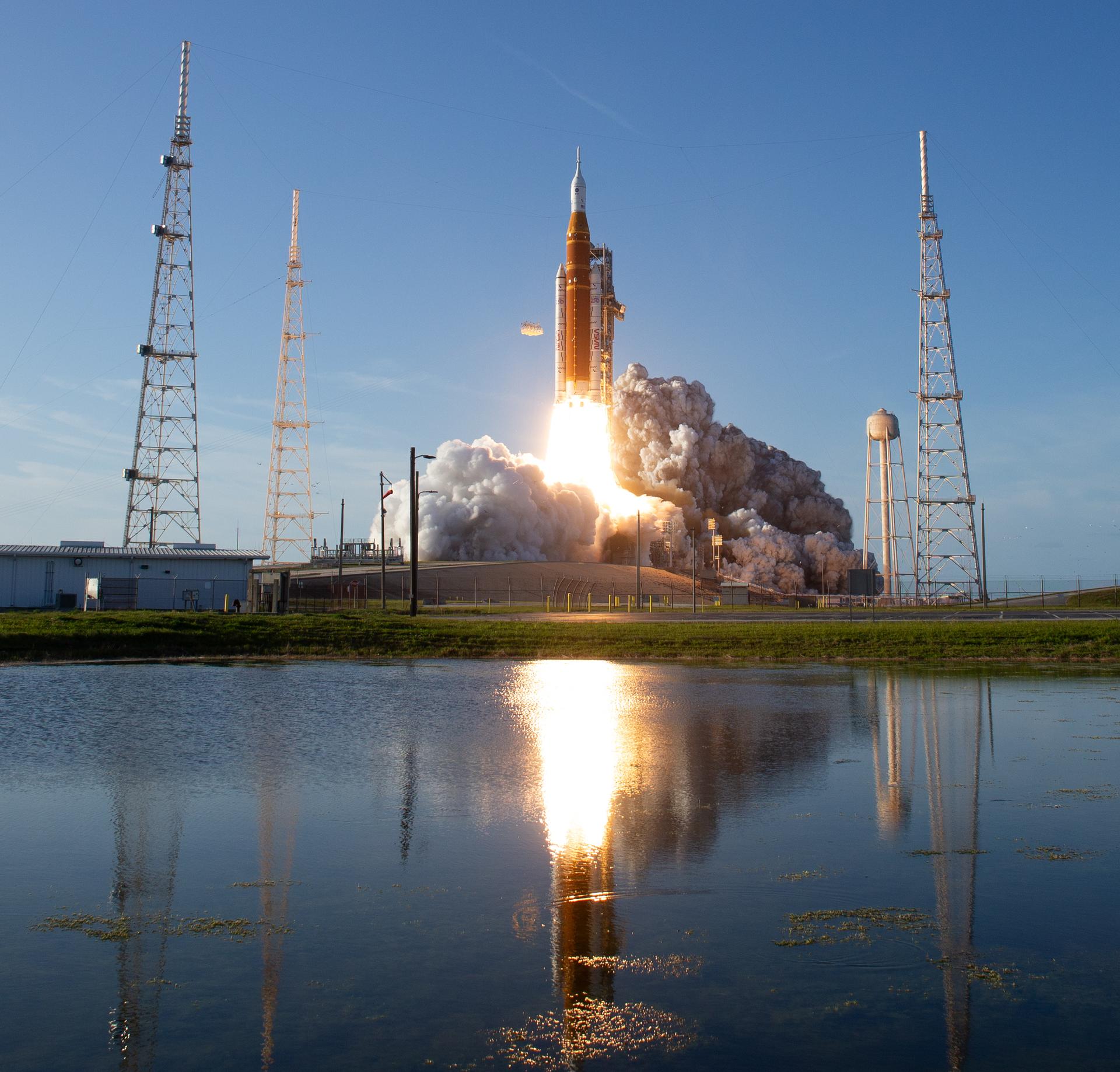
With recent missions like Artemis II taking astronauts on longer journeys to the moon and beyond, and future Artemis missions aiming to return humans to the lunar surface, understanding how the body responds to changing gravitational forces is increasingly important. Insights from studies like this could help guide strategies to protect astronauts’ health during space travel and reentry.
“I think our study is really timely,” Giraldo said. “The link between gravity, physiology, and energy use will only become increasingly important to understand as space travel is poised to become more common in the future.”
(Fruit fly cover image: Antagain/Getty)