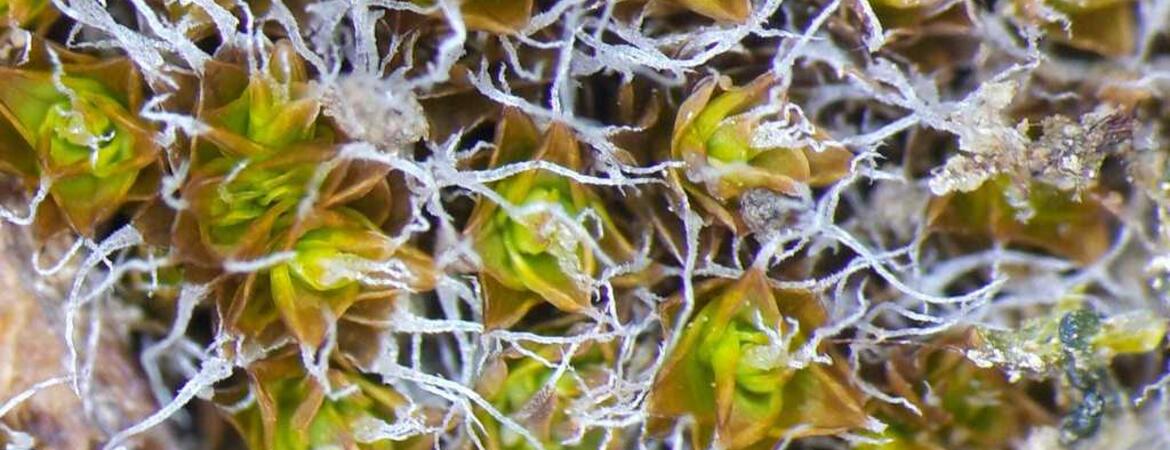

Mosses are survivors. They can dry into what looks like green dust, only to spring back to life minutes after rain. They can grow on rocks, in deserts, and there’s talk of using them to terraform Mars someday. According to new research, mosses have also been hiding something.
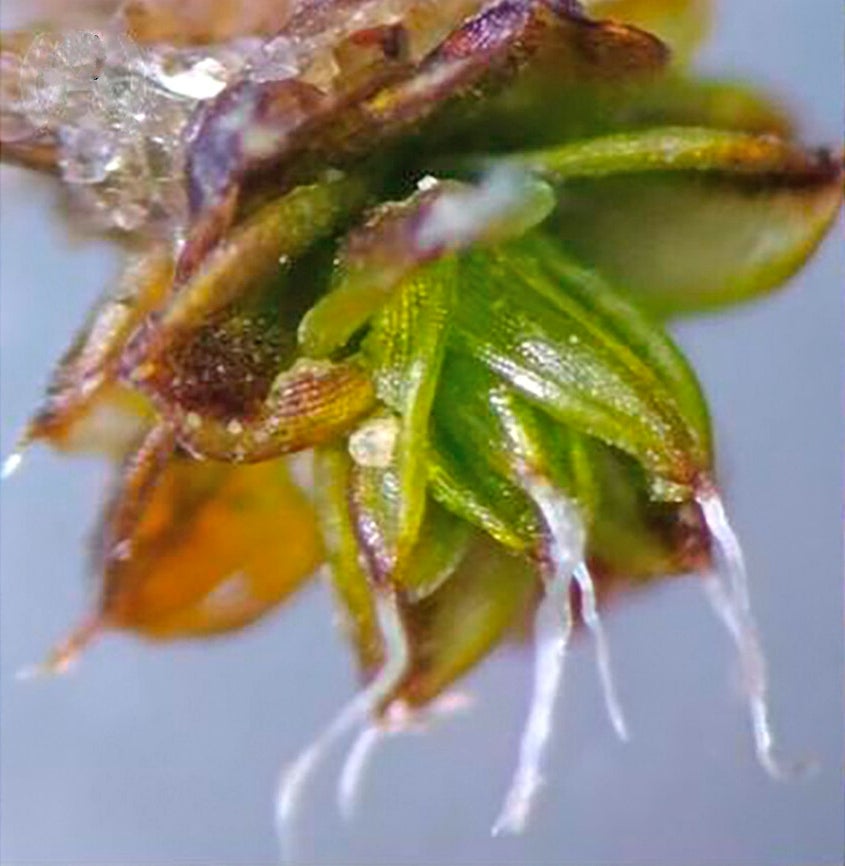
UC Riverside researchers studying desert mosses have found evidence, presented in the journal New Phytologist, that these ancient plants may host fungi inside their tissues. This relationship has not previously been documented.
If confirmed, the finding could rewrite what we know about moss biology and even offer clues about how plants first colonized land roughly 470 million years ago.
More than 85% of land plants partner with fungi that help plants pull nutrients from soil in exchange for sugars made through photosynthesis. Around three-quarters of plants team up with a well-known fungal group called arbuscular mycorrhizal fungi, or AMF. Mosses, however? For decades, scientists have believed all 10,000 species were loners.
“That’s been the model,” said Jason Stajich, a UCR professor of microbiology and plant pathology and co-author of the study. Mosses, he explained, simply didn’t need fungi.
Investigating the accuracy of this model, UCR doctoral researcher Kian Kelly visited scorching landscapes in the Mojave and Sonoran deserts, where temperatures climb over 100 degrees Fahrenheit. There he found strange living communities called biological soil crusts that consist of fungi, bacteria, algae, mosses, and even microscopic animals.
“Sometimes I couldn’t find the same species of moss,” Kelly explained, describing long stretches of wandering through extreme heat trying to collect matching species in the desert and less arid climates for comparison purposes. The authors were curious whether differences in climate might cause differences in fungal communities found inside of the mosses. This could help predict the effects of climate change on mosses as aridity increases in drylands.
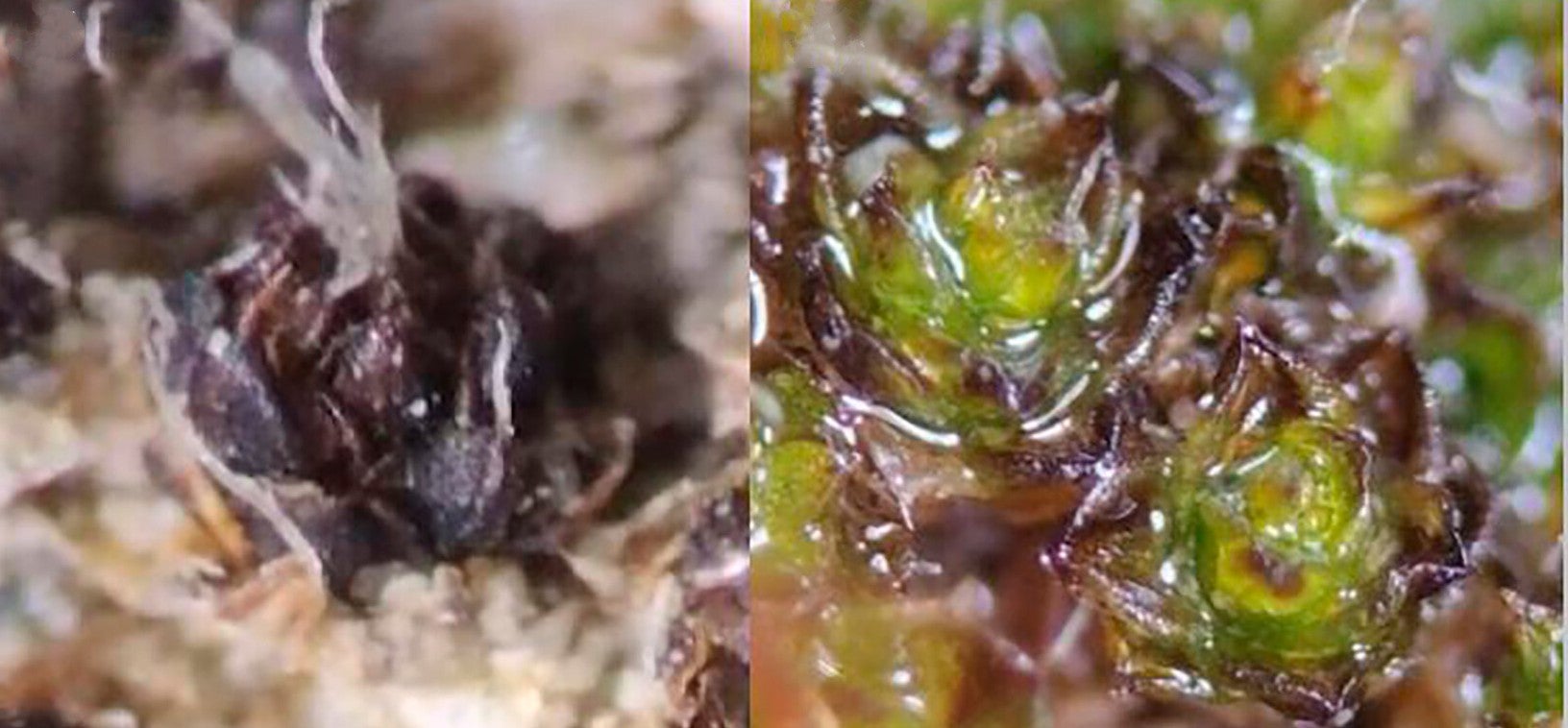
Back in the lab, researchers ground up moss samples and searched for DNA from fungi living inside them. And they found it. In particular, they were surprised to find mycorrhizal fungi, which cannot survive without a plant partner.
But the fungi inside desert moss was not the same as the fungi found inside moss grown in less harsh conditions.
"We suspect that certain fungi are more helpful for surviving hotter, drier climates," Kelly said.
The fungal species inside the mosses also did not match what the researchers found in the surrounding dirt. That suggested the fungi weren’t random contamination or freeloaders munching dead plant tissue. Instead, something more deliberate might be going on.
But DNA alone isn’t enough to prove fungi are actually living in a plant. So, Kelly turned to microscopy.
One night, after staining moss tissue with a blue dye that sticks specifically to fungi, he peered through a microscope and spotted branching fungal structures inside moss cells.
“As soon as I saw that, I knew we had something really interesting,” Kelly said.
The fungal structures looked a lot like arbuscules, which are tiny tree-shaped formations fungi normally build inside plant roots to swap nutrients. Except mosses don’t have roots. In this case, the structures appeared in moss leaves.
The researchers call them “arbuscule-like” because they’re not quite the same as the textbook versions seen in other plants. Future studies will need to show whether nutrients are moving between mosses and fungi before anyone can officially call the relationship a true symbiosis.
Still, if the partnership turns out to be real, it could help scientists more fully understand the origins of life on this planet. Mosses are closely related to some of Earth’s earliest land plants, meaning this discovery might offer a glimpse into the kinds of alliances that helped life crawl out of ancient oceans and survive on dry land in the first place.
The findings may also open new avenues for the restoration of damaged landscapes. Many desert mosses are essential parts of soil crusts that are increasingly threatened by warming temperatures and human disturbances. A single footprint can take decades to heal. If fungi help mosses survive heat, drought, or climate stress, researchers think the relationship could someday inspire ways to boost struggling desert habitats.
For now, the discovery serves as a reminder that the smallest patches of life may hold big secrets.
“The desert,” Kelly said, “is full of things people overlook. Sometimes, the biggest surprises are the ones growing quietly beneath our feet.”
(Cover image of moss: Rafael Medina/iNaturalist)