
Though superbloom is not a scientific term, that doesn’t stop legions from hoping for a giant display of wildflowers come springtime. UC Riverside plant ecologist Loralee Larios weighs in here on the outlook for such a show this year, where one might see it, and how flower lovers can protect the blooms for years to come.
Q: What is the outlook for this year’s wildflower bloom? We had a few episodes of major rainfall but otherwise it has been rather dry. Will there be a “superbloom”?
A: Yes, we’re already seeing some big floral displays! The bloom is beginning earlier because of the weird timing of rain this year. We normally see it start mid-March and this year we’re seeing the blooms a whole month earlier.
Q: There are anecdotal stories of an abundance of weeds this year. Are weeds likely to affect the wildflowers?
A: Weeds can definitely affect the wildflowers, but where we see the abundance of weeds will likely differ on the landscape based on the history of the site. Once we get to longer days with warmer nights, weeds can quickly grow taller than native wildflowers. This can make it harder for pollinators to find the flowers.
Q: Is climate change affecting the flowers? What kind of flowers can we expect to see this year?
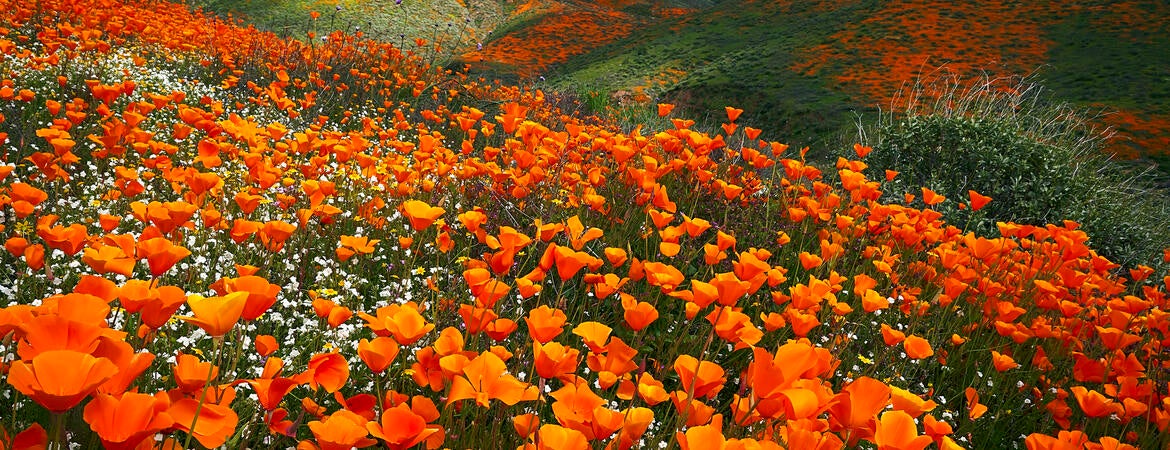
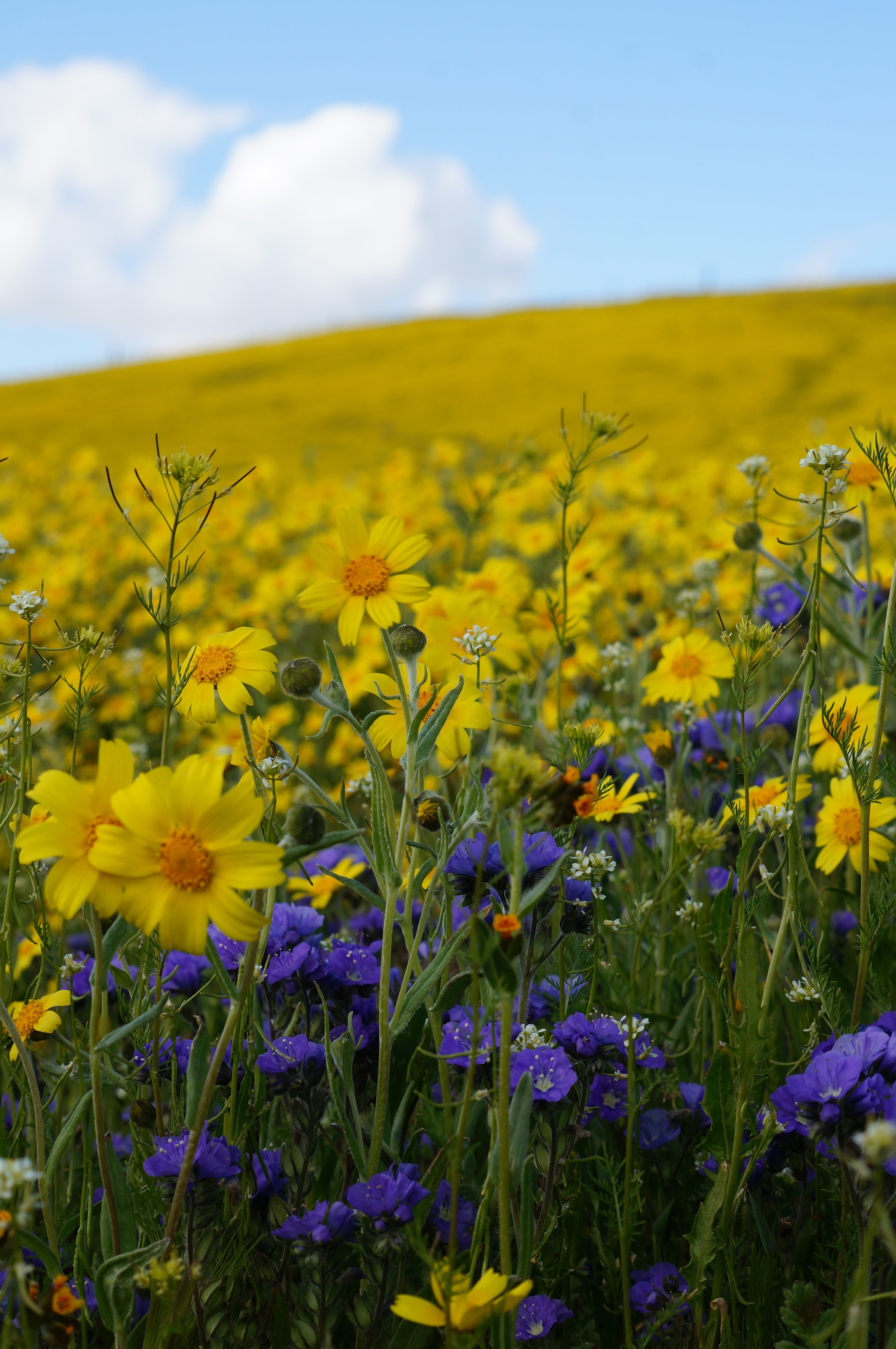
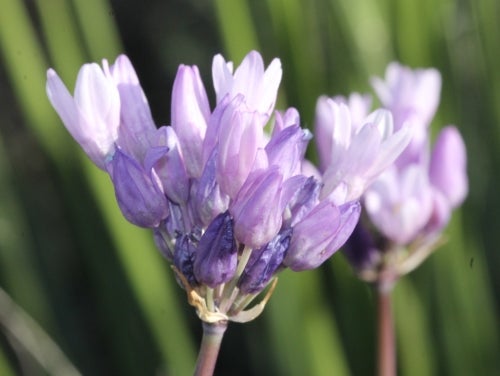
A: Climate change likely is not impacting the wildflowers we might see. However, the change in rainfall timing and the size of the storms is shifting when we’re seeing the blooms. What you’ll see will depend on where you go, but the desert is already having wonderful displays of sand verbena and evening primrose. California poppies will be hitting the Antelope Valley soon. Wild hyacinths also known as Blue Dicks are already flowering in Orange County's grasslands. The Caliente Range is also already seeing a large bloom of yellow Monolopia.
Q: Has the ratio of native to non-native flowers been changing?
A: The ratio of native and non-native flowers is a moving target and regularly changing from one year to the next depending on rainfall. In really wet years, non-native plants often make the majority of the plants we see in grasslands, But the seeds of the non-native plant species we have in the state don’t persist through dry years very well. So, we often see big native bloom years when a dry year is followed by a cool-wet year.
Q: What should people be thinking about relative to the longevity of the superblooms?
A: The California Floristic Province extends from southwestern Oregon, most of California and into Northern Baja California. It’s defined by its Mediterranean climate of hot, dry summers and cool wet winters and the geologic history of land. These blooms are a unique perk we have from living in the province, which is considered a hotspot of global biodiversity.
Being here also gives us an obligation to be responsible about how we enjoy the big blooms. We don’t want to disturb the flowers to the extent that we prevent them from adding more seed to the soil, so we can keep enjoying them in future years. To that end, I recommend that when visiting a bloom site, stay on paths and don’t pick wildflowers.
Also, one of the key ways that invasive plants get around is from hitch hiking on our shoes. So, an easy way is to help is to clean off your shoes before visiting a superbloom area.
Q: Is there anything we haven’t discussed yet that flower lovers should be aware of with respect to this year’s blooms?
A: Lots of flowers means lots of pollinators, so keep an eye out for different bees, caterpillars and butterflies!
(Cover image of California poppies blooming at Lake Elsinore: Jon Farmer/iStock/Getty)