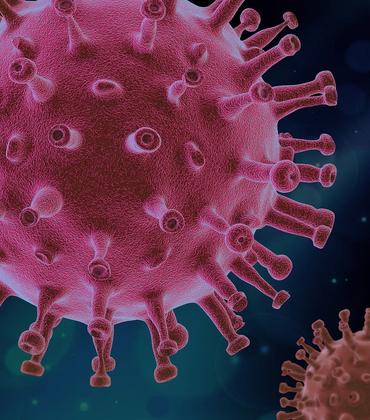
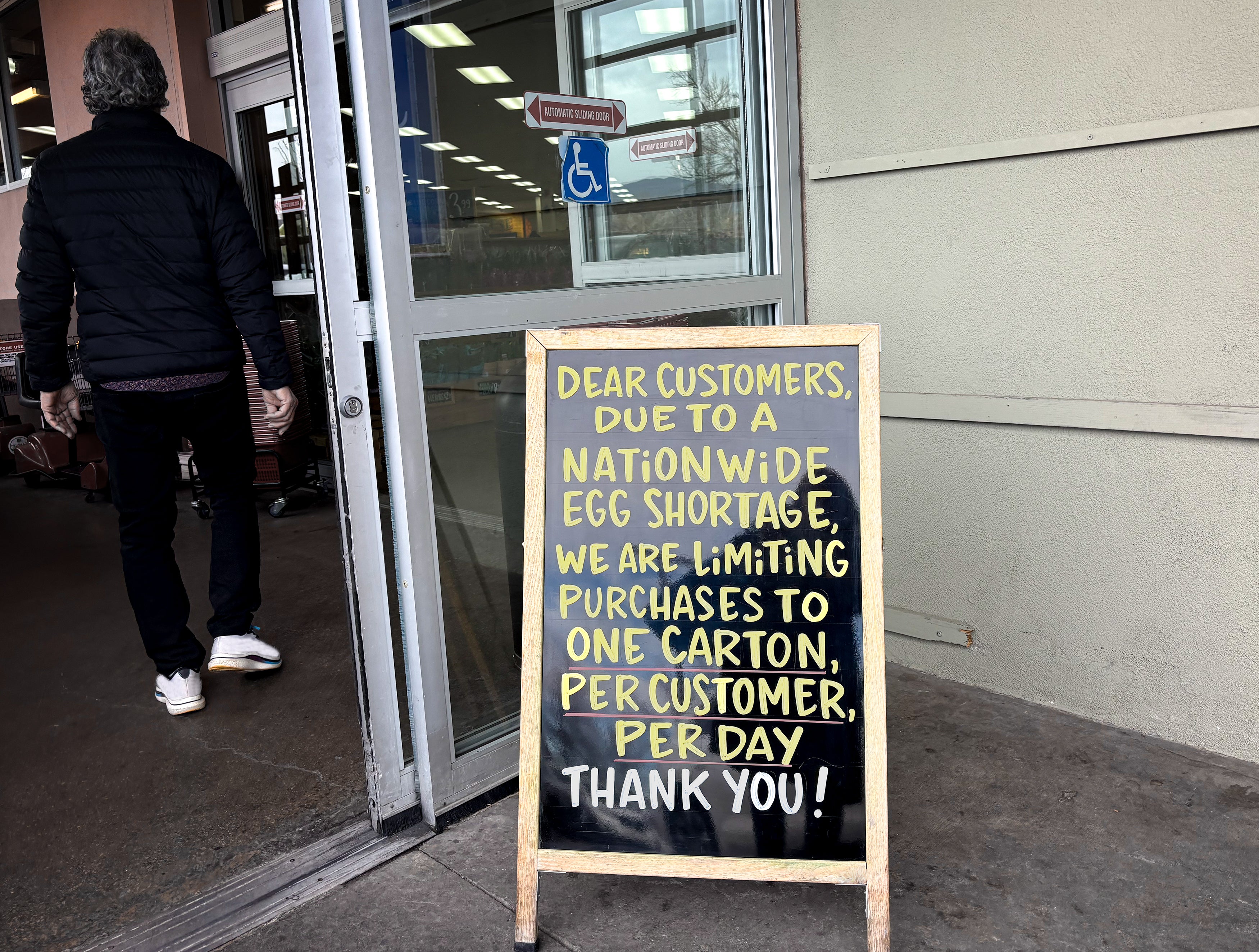
Avian flu wiped out tens of millions of egg-laying chickens in 2025, sending prices soaring. A UC Riverside scientist has been awarded a $1.8 million grant to develop a better tool to track the flu on poultry farms and help prevent future outbreaks.
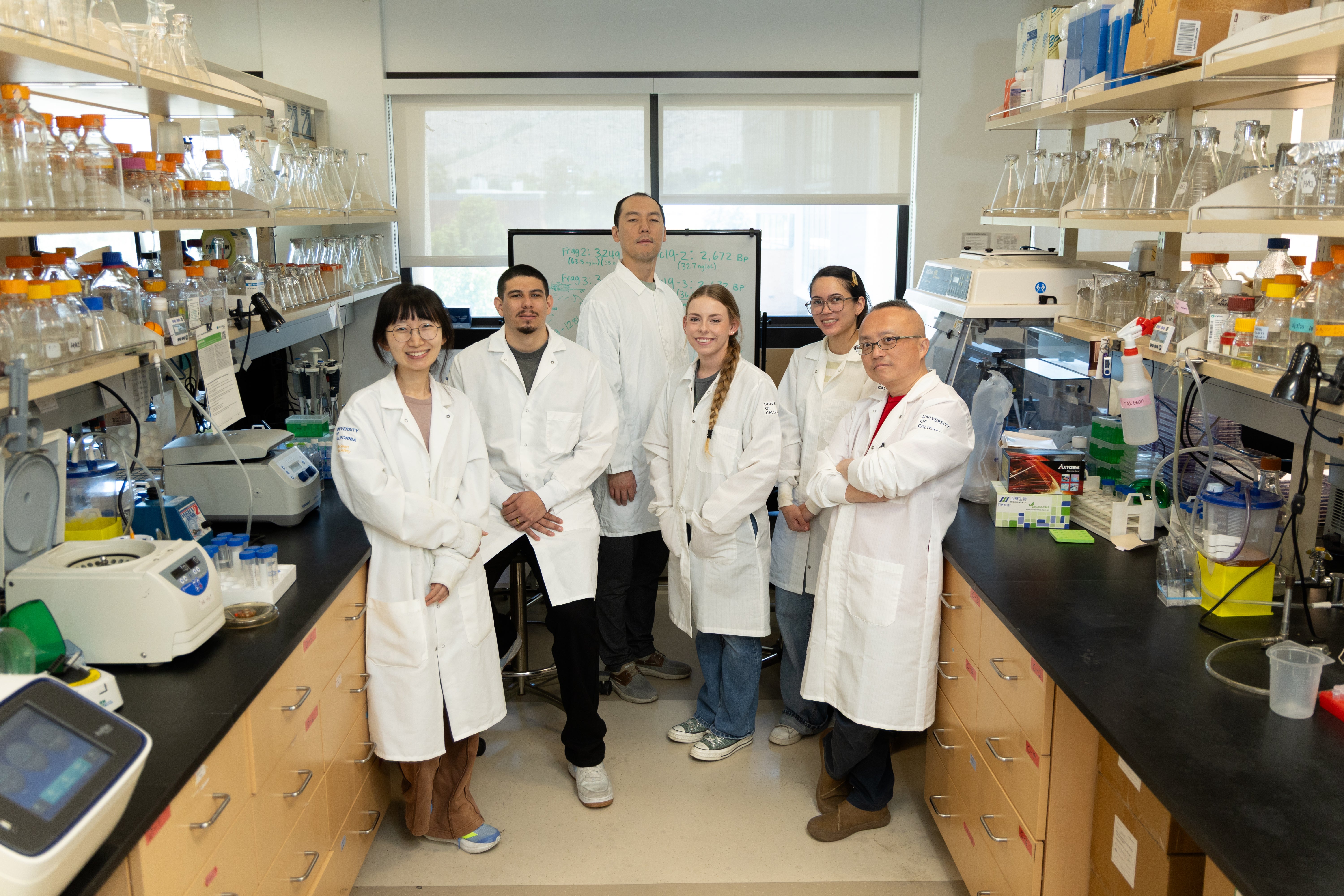
The grant, from the U.S. Department of Agriculture’s Animal and Plant Health Inspection Service, will allow UCR virologist Rong Hai to develop a first-of-its-kind surveillance tool. It will combine artificial intelligence and proteomics that monitor the transmission and presence of high pathogenicity avian influenza virus (HPAI) by revealing components of the virus and viral proteins.
For years, scientists have relied on tests that detect viral genetic material to monitor outbreaks. These methods are highly sensitive, but they can result in ambiguous signals or even false positives, reacting to contamination or flagging fragments of a virus that lingered after an infection has already passed.
“What we have now can indicate something might be there, but it doesn’t always tell us if it represents a real, active infection or where it came from,” Hai said.
That limitation has become more pressing as avian influenza evolves. Once largely confined to birds, the virus has recently been detected in other animals, including cattle, raising new concerns about how it spreads across species and environments.
By contrast, Hai’s approach looks not for viral DNA but at proteins left behind as viruses infect a host. Unlike genetic material alone, these proteins can offer further evidence that a virus is actively present. It may also reveal which species it has passed through on its journey to a current host.
Viruses cannot reproduce on their own. They must hijack the machinery of a host cell to replicate. This is true whether the virus has infected a chicken, a cow, or any other animal. In the process, they pick up host proteins, leaving behind a biological record of their recent history.
By identifying these proteins, researchers hope to determine not only whether HPAI is present on a farm, but also where it may have originated and how it is spreading. That information could help farmers and regulators respond more precisely to an outbreak.
To make this possible, Hai’s team will use AI to sift through vast datasets of protein signatures that represent many different types of organisms. The scope is far broader than traditional proteomics studies, which usually target proteins from organisms already known or suspected to have hosted a virus.
In order to guard against false signals, Hai and his team are building in analog cross-checks to confirm the artificial intelligence’s findings, ensuring that detected proteins truly indicate viral presence.
“AI provides the unprecedented ability to accurately pinpoint a single, specific protein in material samples containing hundreds of millions of different proteins. For comparison, routine proteomic tests are usually performed at the scale of thousands of proteins,” said Mingqi Liu, a postdoctoral researcher in the Hai laboratory and an expert in mass spectrometry data analysis, who is spearheading this project.
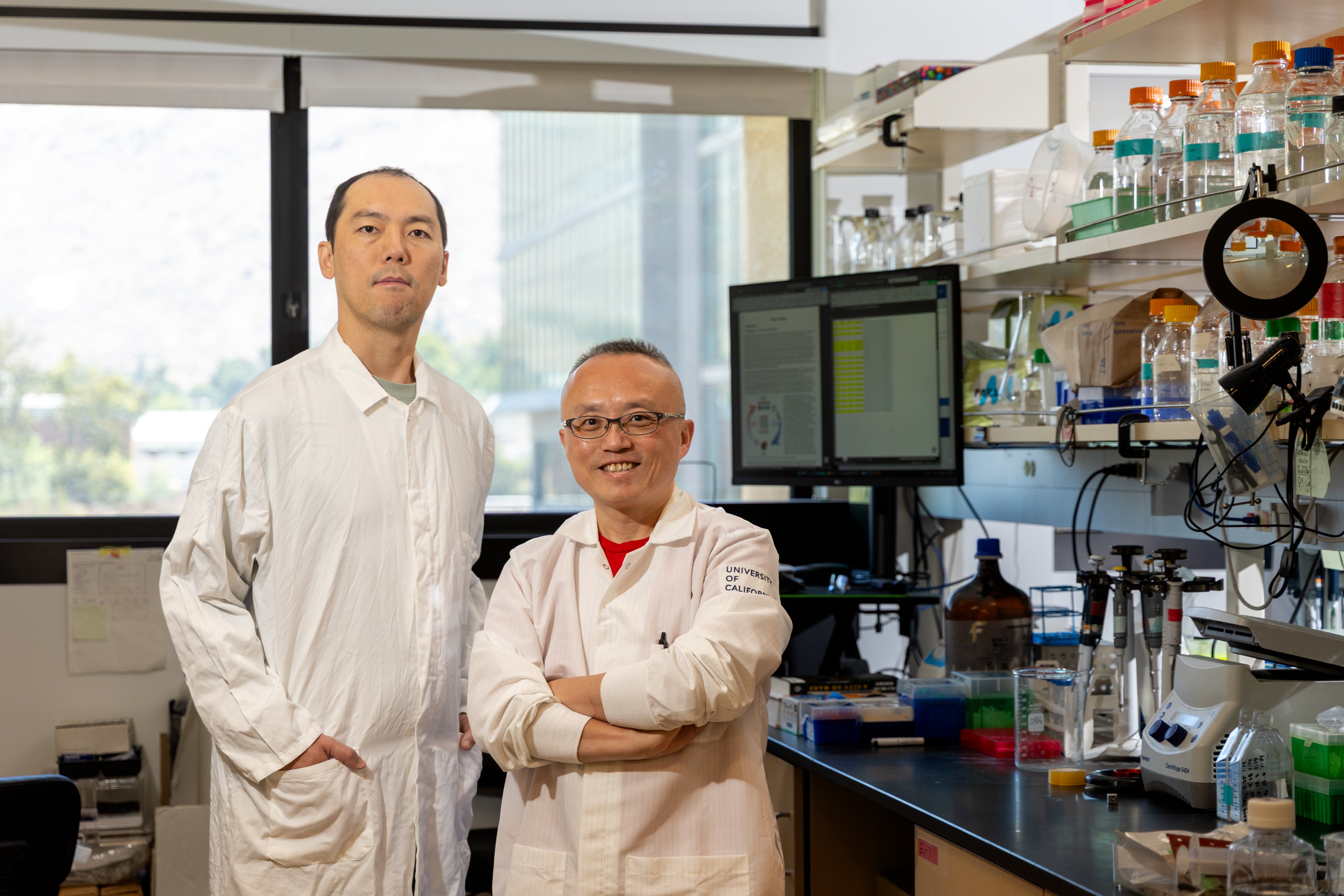
If successful, the system could offer a clearer picture of how avian influenza moves through farms and across species, which is one of the most difficult challenges in managing infectious disease.
The work also reflects lessons from the COVID-19 pandemic, when determining the origins of the virus proved both essential and difficult. Understanding where a virus comes from can help scientists predict how it may evolve and how to stop it.
For now, the focus is on poultry farms, where early and accurate detection can mean the difference between containment and widespread loss. While mass quarantine remains one of the most effective tools for controlling outbreaks, it carries significant economic and social costs.
“If we know where a virus is coming from, we can do much more targeted containment and avoid broader disruptions,” Hai said.
The project is still in its early stages, but it represents a shift in how scientists are thinking about tracking infectious disease by reading the biological traces viruses leave behind.
“Viruses always face hostile conditions and need to adapt quickly when they enter new host cells,” Hai said. “They need to carry certain tools to protect themselves. Just as humans carry weapons or other tools for protection in unfamiliar environments, so do viruses. And we can detect these protein tools they carry.”
(Egg carton cover image: Slobo/iStock/Getty)